5-Day Great Migration Safari in Tanzania
Overview
Witness one of the world’s greatest wildlife spectacles on this unforgettable 5-Day Great Migration Safari in Tanzania. Carefully designed to maximize your time in the Serengeti, this safari follows the seasonal movement of millions of wildebeest and zebras as they journey across the vast plains in search of fresh grazing.
From thrilling predator encounters in the Serengeti National Park to the breathtaking beauty of the Ngorongoro Crater, every day offers extraordinary wildlife experiences guided by knowledgeable local safari experts. Whether you’re visiting during the dramatic Mara River crossings or the spectacular calving season in Southern Serengeti, we tailor the route to your travel dates, giving you the best opportunity to experience Africa’s most iconic natural event.
Why Choose This 5-Day Great Migration Safari?
If witnessing the Great Wildebeest Migration is at the top of your bucket list, this itinerary is designed to give you the best possible experience within just five days. Instead of rushing through multiple parks, we dedicate most of your safari to the Serengeti—Africa’s most celebrated wildlife destination and home to the Great Migration for much of the year.
Because the migration is constantly moving, there is no single location where it can be seen year-round. Our experienced local guides carefully plan your route according to the season, increasing your chances of witnessing dramatic river crossings, the calving season, or massive herds stretching across the endless plains.
To complete your adventure, you’ll also explore the Ngorongoro Crater, a UNESCO World Heritage Site renowned for its incredible concentration of wildlife, including endangered black rhinos, lions, elephants, buffaloes, hippos, and countless other species. This combination creates one of Tanzania’s most rewarding short safari experiences.
Can You See the Great Migration in Just 5 Days?
Yes—provided your itinerary is planned around the migration’s seasonal location.
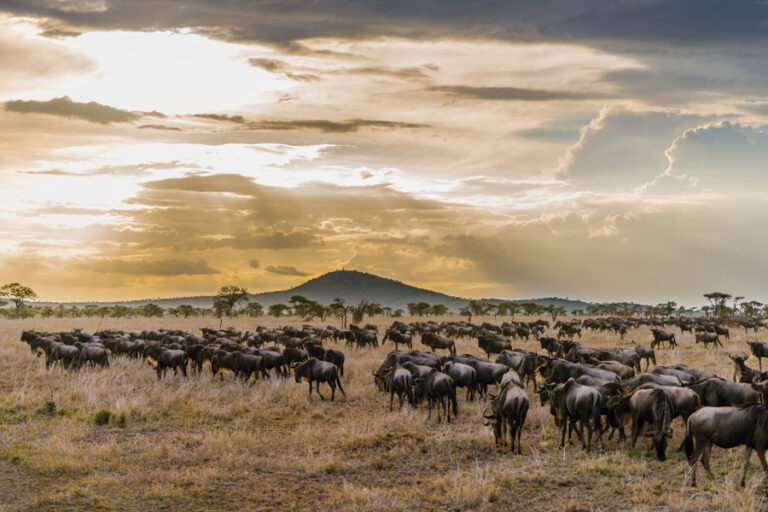
The Great Wildebeest Migration is a year-round journey involving more than 1.5 million wildebeest, hundreds of thousands of zebras, and gazelles moving through the Serengeti ecosystem in search of fresh grazing. Rather than remaining in one place, these herds follow seasonal rainfall, creating different wildlife experiences throughout the year.
Our 5-Day Great Migration Safari is specifically designed to maximize your time in the Serengeti. Depending on your travel month, we adjust the safari route to focus on the areas where the migration is most active. During July to October, this may include the Northern Serengeti near the Mara River, famous for dramatic river crossings. Between December and March, the safari focuses on the Southern Serengeti and Ndutu, where thousands of wildebeest calves are born and predators are especially active.
While wildlife sightings can never be guaranteed, planning your safari around the migration’s seasonal movement significantly improves your chances of witnessing one of nature’s greatest spectacles.
Great Migration Calendar: Where to See the Herds Throughout the Year
The Great Wildebeest Migration is a continuous natural journey through the Serengeti ecosystem, influenced by rainfall, fresh grass, and the changing seasons. There is no single “best” month for everyone—the ideal time depends on the experience you want to witness.
Our 5-Day Great Migration Safari is planned around your travel dates, allowing us to focus on the regions where wildlife activity is expected to be at its highest. From the dramatic calving season in the southern plains to the famous Mara River crossings in the north, each season offers a unique safari experience.
Month by Month Migration Guide
| Month | Migration Location | What You Can Experience |
|---|---|---|
| January | Southern Serengeti & Ndutu | Large herds gather on nutrient-rich plains before calving season. Excellent predator viewing. |
| February | Ndutu & Southern Serengeti | Peak calving season. Thousands of wildebeest calves are born, attracting lions, cheetahs, and hyenas. |
| March | Southern Serengeti | Continued calving activity with incredible wildlife interactions and large herds. |
| April | Central Serengeti | Herds begin moving north as rains continue. Excellent scenery and fewer crowds. |
| May | Western Corridor & Central Serengeti | Migration begins the journey west and north. Large herds form as animals prepare for movement. |
| June | Western Corridor & Grumeti Region | Dramatic river crossings may begin at the Grumeti River. Excellent general game viewing. |
| July | Northern Serengeti | Migration reaches the northern plains. Early Mara River crossing opportunities may occur. |
| August | Northern Serengeti & Mara River | One of the most famous periods for witnessing dramatic river crossings. |
| September | Northern Serengeti | Peak Northern Serengeti season with large herds and excellent predator activity. |
| October | Northern & Central Serengeti | Herds begin moving south. Great wildlife viewing with fewer visitors. |
| November | Central & Southern Serengeti | Short rains bring fresh grass and the migration continues southward. |
| December | Southern Serengeti & Ndutu | Herds return toward the calving grounds, preparing for the next cycle. |
5-Day Great Migration Safari Itinerary
Every Great Migration Safari is carefully planned around the seasonal movement of the wildebeest herds. Depending on your travel dates, your guide may explore different regions of the Serengeti to maximize wildlife viewing opportunities. The itinerary below represents a typical five-day safari, while the exact game drive locations may vary according to the migration’s current position.
Day 1: Arusha to Serengeti National Park – Journey into Africa's Greatest Wildlife Sanctuary
Your adventure begins with an early morning departure from Arusha as you travel toward the world-famous Serengeti National Park, passing through the scenic Ngorongoro Conservation Area along the way. The journey itself is part of the safari experience, with changing landscapes that transition from bustling towns and fertile highlands to the vast, open plains that have made the Serengeti one of Africa’s most iconic wildlife destinations.
After entering the park, your safari truly begins. As you make your way toward your lodge or tented camp, enjoy your first game drive through the Serengeti, where you may encounter elephants, giraffes, zebras, antelopes, buffaloes, and predators such as lions and cheetahs. If the Great Migration is in this region, your guide will adjust the route to give you the best opportunity to observe the massive herds in their natural habitat.
Arrive at your accommodation in the late afternoon, settle in, and enjoy dinner surrounded by the sounds of the African wilderness as you prepare for the exciting days ahead.
Meals: Lunch & Dinner
Accommodation: Serengeti National Park
Day 2: Full-Day Great Migration Game Drive
This is the most important day of the safari.
Today is dedicated to exploring the endless plains of the Serengeti in search of the Great Wildebeest Migration. After an early breakfast, you’ll head out with your expert guide, who will use the latest wildlife movements and local knowledge to position you where the action is most likely to unfold.
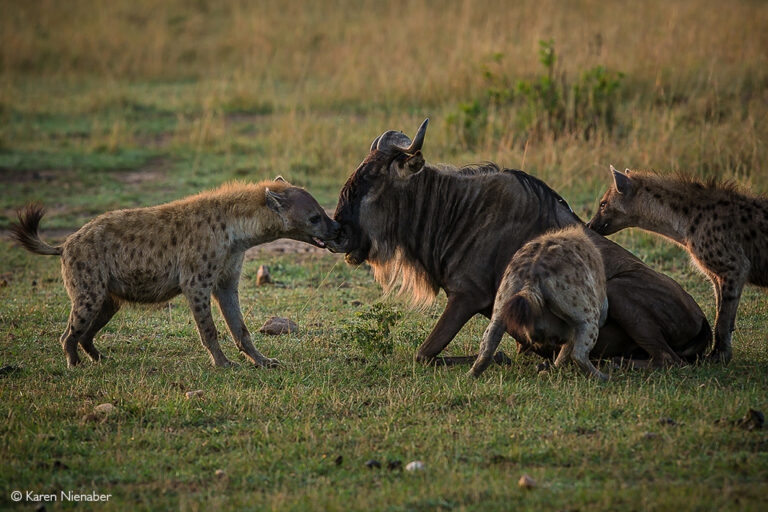
Depending on the season, you may witness thousands of wildebeest and zebras moving across the plains, dramatic river crossings, or the excitement of the calving season. Along the way, keep watch for lions stalking the herds, cheetahs sprinting across the grasslands, elusive leopards resting in acacia trees, and hyenas patrolling the plains.
Break for a picnic lunch at a scenic location before continuing your afternoon game drive, taking time to appreciate the Serengeti’s remarkable biodiversity, breathtaking landscapes, and unforgettable wildlife encounters before returning to camp for dinner and an overnight stay.
Meals: Breakfast, Lunch & Dinner
Accommodation: Serengeti National Park
Day 3: Tracking the Great Migration & Big Cats
Instead of repeating Day 2, let’s make this day feel distinct.
Another full day in the Serengeti gives you the flexibility to explore new areas and spend more time following the migration. Because wildlife movements change daily, no two game drives are ever the same. Your guide will adapt the day’s route based on recent sightings, seasonal conditions, and the location of the herds.
This additional day greatly increases your chances of witnessing memorable wildlife moments, whether it’s a pride of lions on the hunt, a coalition of cheetahs scanning the plains, elephants gathering at a waterhole, or thousands of wildebeest stretching to the horizon.
Throughout the day, your guide will also share insights into the Serengeti ecosystem, animal behavior, and the remarkable migration cycle that has continued for thousands of years, making your safari both exciting and educational.
Meals: Breakfast, Lunch & Dinner
Accommodation: Serengeti National Park
Day 4: Serengeti National Park to Ngorongoro Conservation Area – A Scenic Farewell to the Serengeti
Wake up to another beautiful sunrise over the Serengeti before setting out on a final morning game drive. The early hours are among the best times to spot wildlife, as predators are still active and the plains come alive with the sights and sounds of a new day. Depending on the season, you’ll continue tracking the Great Wildebeest Migration while keeping an eye out for lions, leopards, cheetahs, elephants, giraffes, and countless other species that call the Serengeti home.
After enjoying one last safari experience in this extraordinary ecosystem, you’ll begin your journey toward the Ngorongoro Conservation Area, a UNESCO World Heritage Site celebrated for its unique landscapes, rich Maasai culture, and remarkable biodiversity. As you travel through the highlands, you’ll be treated to breathtaking views of the crater rim and surrounding countryside.
Arrive at your lodge in the late afternoon, where you can relax, enjoy dinner, and prepare for the unforgettable crater safari awaiting you the following morning.
Meals: Breakfast, Lunch & Dinner
Accommodation: Ngorongoro Crater Rim / Karatu
Day 5: Ngorongoro Crater Safari – Return to Arusha
After an early breakfast, descend approximately 600 meters (2,000 feet) into the magnificent Ngorongoro Crater, one of Africa’s most extraordinary wildlife destinations. Often referred to as the world’s largest intact volcanic caldera, the crater is home to an incredible concentration of wildlife living within its natural walls.
Spend the morning exploring this remarkable ecosystem as you search for the Big Five—lion, leopard, elephant, buffalo, and the endangered black rhino—along with hippos, spotted hyenas, zebras, wildebeest, gazelles, flamingos, and an impressive variety of birdlife. Thanks to its permanent water sources and abundant grazing, the crater offers exceptional wildlife viewing throughout the year.
After enjoying a picnic lunch on the crater floor, begin your return journey to Arusha. As your safari comes to an end, you’ll leave with unforgettable memories of the Great Migration, breathtaking landscapes, and some of the most spectacular wildlife encounters Africa has to offer.
Meals: Breakfast & Lunch
Price Include
✔ Private 4×4 safari vehicle with pop-up roof
✔ Professional English-speaking safari guide
✔ All park entry and conservation fees
✔ Ngorongoro Crater service fee
✔ Full-board accommodation during safari
✔ Bottled drinking water during game drives
✔ All scheduled game drives
Price Exclude
✖ International flights
✖ Visa fees
✖ Travel insurance
✖ Tips and gratuities
✖ Personal expenses (souvenirs, laundry, drinks)
✖ Optional activities not listed
Quick Safari Facts
| Duration | 5 Days / 4 Nights |
|---|---|
| Destination | Serengeti National Park & Ngorongoro Crater |
| Safari Type | Private Safari |
| Start / End | Arusha |
| Best Travel Time | Year-round (Seasonal Migration) |
| Accommodation | Mid-range or Luxury |
| Transportation | 4×4 Land Cruiser with Pop-up Roof |
| Best For | Couples, Families, Friends & Wildlife Enthusiasts |