Lake Manyara National Park
- Home
- Lake Manyara National Park
Discover the Enchanting Lake Manyara National Park
Lake Manyara National Park, located at the base of the Great Rift Valley escarpment, is a hidden gem of northern Tanzania. Though smaller than other parks, it offers a remarkable variety of landscapes from dense acacia forests and alkaline soda lakes to lush groundwater forests making it a paradise for nature lovers, wildlife enthusiasts, and birdwatchers alike.
Wildlife & Animals
Lake Manyara National Park is renowned for its diverse wildlife. Visitors can spot:
Tree-climbing lions, a unique behavior not often seen elsewhere
Large herds of elephants, buffalo, and zebras
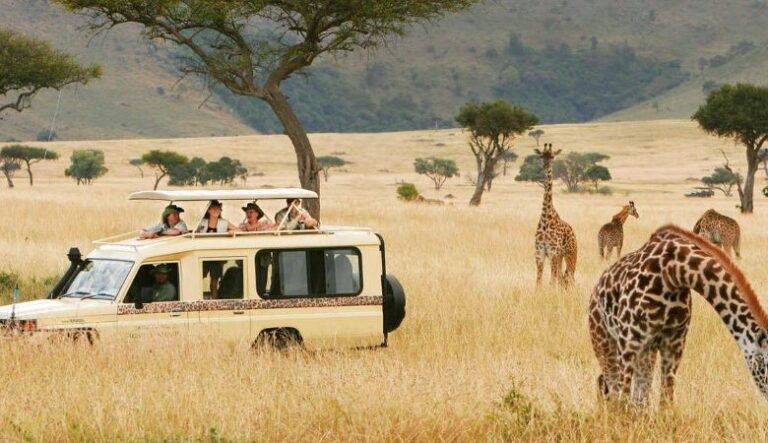
Giraffes, hippos, and wildebeests
Various antelope species, including impalas and waterbucks
Olive baboons and other primates
The park’s diverse habitats create a setting where both predators and prey can be observed in stunning natural surroundings.
Birds
Lake Manyara is a birdwatcher’s paradise, hosting over 400 bird species. Its shallow alkaline lake attracts massive flocks of flamingos, while the forests, woodlands, and wetlands support a variety of resident and migratory birds. Notable species include:
African fish eagle
Grey-headed kingfisher
Crested francolin
Lilac-breasted roller
Various storks, herons, and waders
The best time for birdwatching is during the wet season when migratory birds arrive, filling the park with color and life.
Best Time To Visit
The dry season (June to October) is ideal for game viewing as animals gather around the lake and rivers, making wildlife easier to spot.
The wet season (November to May) offers lush green landscapes, spectacular birdwatching, and the opportunity to witness newborn animals. While some wildlife disperses, the park’s scenery and vibrant activity make this a rewarding season for photography and nature observation.