Arusha National Park

Explore the Beauty of Arusha National Park

Arusha National Park is a hidden gem located in northern Tanzania, just a short drive away from the bustling city of Arusha. Despite its relatively small size compared to other national parks in Tanzania, it offers a diverse range of landscapes and wildlife that will leave any nature lover in awe.

Wildlife & Animals

Despite being one of Tanzania’s smaller national parks, Arusha National Park is teeming with wildlife. Visitors have the opportunity to spot a wide variety of animals, including giraffes, zebras, elephants, buffalo, and even the elusive leopard. One of the highlights of the park is the opportunity to see the black and white colobus monkeys, which are endemic to this area. Additionally, Arusha National Park is home to a rich variety of antelope species, including the impressive eland and the iconic waterbuck.

Birds

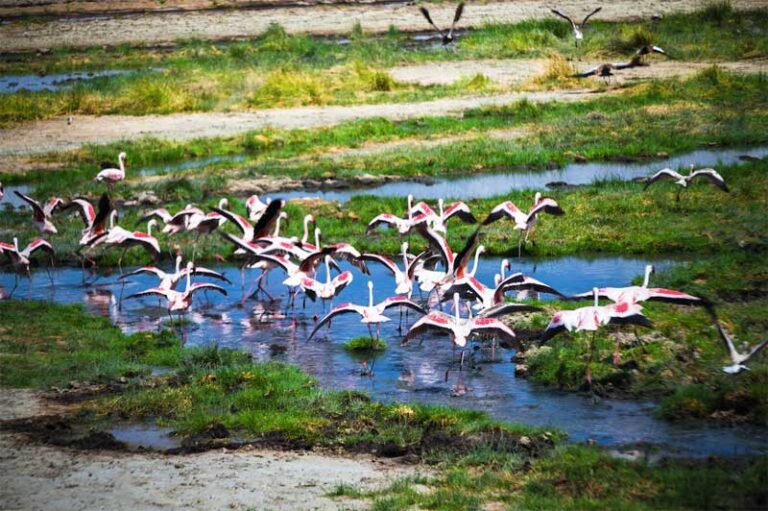
Arusha National Park is a birdwatcher’s paradise, with over 400 bird species recorded within its borders. The park’s varied habitats, which include montane forests, grasslands, and lakes, attract a wide range of bird species. Some of the bird species that can be spotted in the park include the magnificent African fish eagle, the flamingo, the grey-headed kingfisher, and the crested francolin. The best time for birdwatching is during the wet season when many resident birds start breeding. See birding safari

Best Time To Visit

The best time to visit Arusha Np is during the dry season, which runs from June to October. The weather is mild, and wildlife is easier to spot as animals gather around water sources. However, if you’re interested in birdwatching, the wet season from November to May is the best time to go. During this time, the park is lush and green, and many migratory bird species flock to the area.

1. Is Arusha National Park worth visiting?

Yes. Arusha National Park is one of Tanzania's most rewarding parks for travellers looking for a short but diverse safari experience. Although it is smaller than Serengeti or Tarangire, it offers a unique combination of wildlife, lush forests, volcanic landscapes, the Momella Lakes, and the chance to enjoy guided walking and canoe safaris. Its location, just 45 minutes from Arusha, makes it an excellent choice for a day trip or as a relaxing start or end to a Northern Circuit safari.

2. What animals can you see in Arusha National Park?

Arusha National Park is home to giraffes, Cape buffaloes, zebras, warthogs, bushbucks, waterbucks, blue monkeys, black-and-white colobus monkeys, baboons, and more than 400 bird species. While lions are not commonly found in the park, its rich habitats and scenic landscapes make it one of the best places in Tanzania for walking safaris, birdwatching, and wildlife photography.

3. What is the best time to visit Arusha National Park?

Arusha National Park can be visited throughout the year. The dry season, from June to October, is ideal for wildlife viewing and clear views of Mount Meru and, on some mornings, Mount Kilimanjaro. The green season, from November to May, brings lush scenery, migratory birds, fewer visitors, and excellent photography opportunities, making it a great option for nature lovers.

4. Can you visit Arusha National Park as a day trip?

Absolutely. Arusha National Park is the closest national park to Arusha city, making it one of Tanzania's most popular day-trip destinations. A full-day safari typically includes a game drive, with the option to add a guided walking safari or a canoe safari on the Momella Lakes. It's an excellent choice for travellers with limited time or those looking to experience wildlife before or after climbing Mount Kilimanjaro or Mount Meru.

5. What makes Arusha National Park different from other Tanzania safari parks?

Unlike Tanzania's larger safari destinations, Arusha National Park offers a more intimate experience with diverse landscapes packed into a relatively small area. Visitors can explore rainforest, open grasslands, volcanic craters, waterfalls, and alkaline lakes in a single day. It is also one of the few national parks in Tanzania where guided walking safaris and canoe safaris are available, providing a different perspective on the country's wildlife and scenery.