Explore the Magnificent Ngorongoro Crater
Ngorongoro Crater is one of Tanzania’s most iconic natural wonders and a UNESCO World Heritage Site. Often described as the “Eighth Wonder of the World,” this massive volcanic caldera is home to an unparalleled concentration of wildlife. With its dramatic crater walls, lush grasslands, and seasonal soda lakes, Ngorongoro offers an intimate and unforgettable safari experience.
Wildlife & Animals
Ngorongoro Crater shelters nearly every animal species found in East Africa, all within the safety of its steep caldera walls. Visitors can expect to encounter:
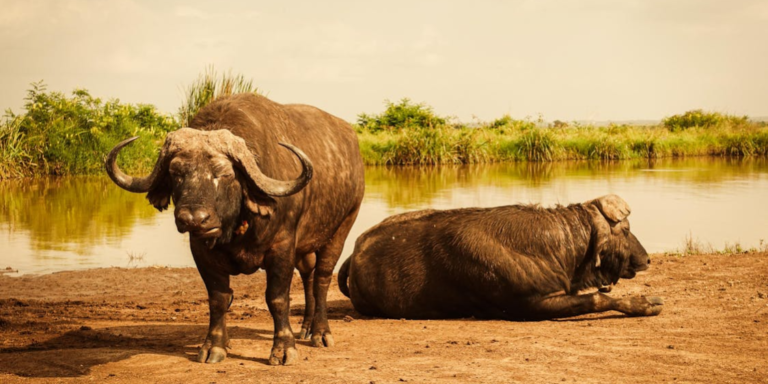
The Big Five: lions, elephants, buffalo, leopards, and black rhinos
Large herds of wildebeest and zebras
Hippos in the crater’s lakes
Cheetahs, hyenas, and jackals
Numerous antelope species including impalas, gazelles, and eland
The crater’s enclosed ecosystem makes wildlife viewing highly predictable, giving you an excellent chance to see predators and prey in action.
Birds
Ngorongoro Crater is a haven for birdwatchers, with over 500 bird species recorded. Its diverse habitats — from grasslands to freshwater lakes — attract a wide variety of birds:
Flamingos at the soda lake
African fish eagle
Grey-crowned cranes
Lilac-breasted rollers
Various storks, herons, and kingfishers
The wet season brings migratory species, enhancing the birdwatching experience and adding color and activity to the crater floor.
Best Time To Visit
The dry season (June to October) is ideal for wildlife viewing, as animals gather around water sources, and visibility is excellent for photography.
The wet season (November to May) transforms the crater into a lush green paradise, perfect for birdwatching and witnessing newborn wildlife, though some animals may disperse slightly. Both seasons offer unique and rewarding experiences, making Ngorongoro a year-round destination.