Mikumi National Park
- Home
- Mikumi National Park
Explore the Beauty of Mikumi National Park
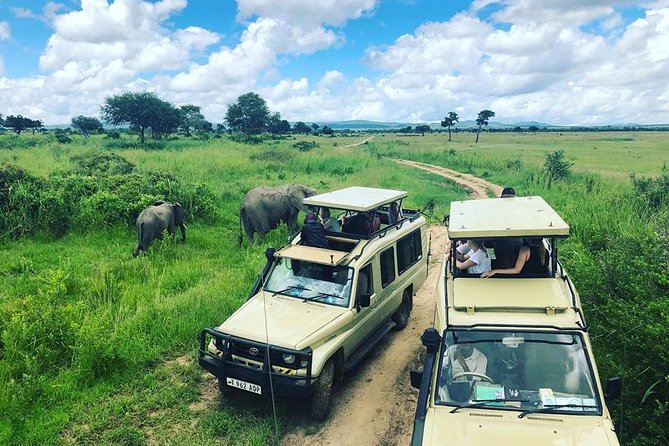
Mikumi National Park is one of Tanzania’s most accessible and picturesque wildlife destinations, located in the southern part of the country along the A7 highway. Often compared to a “mini Serengeti,” Mikumi offers vast open plains, golden savannas, and impressive wildlife sightings that make it ideal for both short and extended safaris. Its convenient location near Dar es Salaam makes it a popular choice for weekend getaways and first-time safari travelers.
Wildlife & Animals
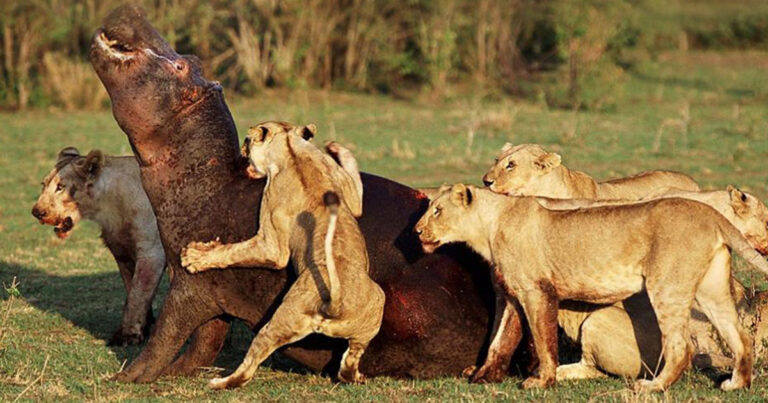
Mikumi National Park is home to an outstanding variety of wildlife, making it one of the best game-viewing destinations in southern Tanzania. Visitors can encounter large herds of elephants, buffalo, zebras, wildebeests, and impalas grazing across the plains. The park is also known for its thriving predator population, including lions, leopards, and the rarely spotted African wild dog.
One of Mikumi’s signature highlights is the Mkata Floodplain, a scenic area where giraffes, hippos, baboons, and many antelope species such as eland, kudu, and sable can be seen in abundance. Its open spaces and consistent water sources make wildlife spotting easy and rewarding.
Birds
With more than 400 bird species recorded, Mikumi is a fantastic destination for bird lovers. The park’s mix of wetlands, woodlands, and savanna landscapes provides a rich habitat for a diverse range of species.
Visitors may spot the vibrant lilac-breasted roller, African fish eagle, yellow-throated longclaw, guinea fowl, and various raptors soaring over the plains.
During the rainy season, migratory birds arrive in large numbers, making Mikumi a seasonal hotspot for keen birdwatchers. The hippo pools also attract wading birds such as herons, storks, and African spoonbills.
Best Time To Visit
The best time to visit Mikumi National Park is during the dry season, from June to October, when animals gather around the remaining water sources, making wildlife viewing exceptional. The days are sunny, the vegetation is thinner, and game drives are especially productive.
If you prefer lush green landscapes and excellent birdwatching, the wet season from November to May brings vibrant vegetation, newborn animals, and a surge of migratory bird species. While wildlife may be slightly harder to spot during this time, the scenery is stunning and the park feels wonderfully peaceful.