Nyerere National Park
- Home
- Nyerere National Park
Nyerere National Park – Africa’s Untouched Wilderness
Nyerere National Park is one of Africa’s largest and most pristine wildlife areas, offering a true off-the-beaten-path safari experience in southern Tanzania. Known for its vast wilderness, dramatic river systems, and diverse wildlife, Nyerere provides an authentic and less crowded alternative to the northern safari circuit.
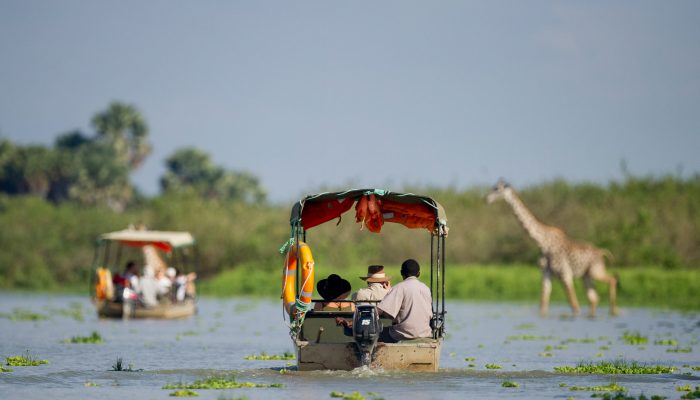
The park is famous for its boat safaris along the Rufiji River, where wildlife gathers along the water’s edge, creating exceptional game-viewing opportunities in a peaceful and untouched setting.
Wildlife & Animals
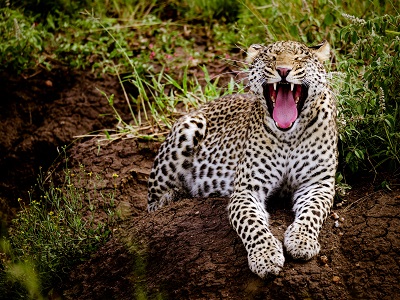
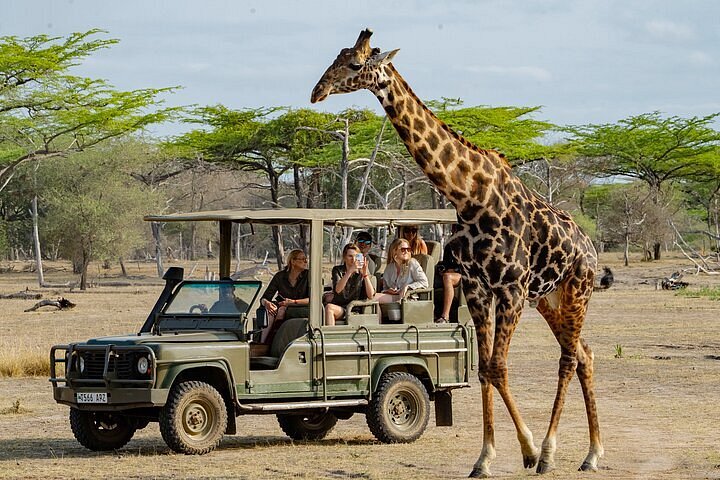
Nyerere National Park is home to a remarkable variety of wildlife, including large populations of elephants, lions, leopards, buffalo, giraffes, hippos, and crocodiles. The park also supports one of the largest remaining populations of African wild dogs, making it a prime destination for rare sightings.
Thanks to its diverse ecosystems—rivers, lakes, woodlands, and open plains—wildlife viewing is rich and varied throughout the year.
Boat Safaris & Unique Experiences
One of Nyerere’s greatest highlights is the boat safari, a rare experience not offered in many national parks. Glide silently along the Rufiji River, observing hippos, crocodiles, elephants, and birdlife from the water.
In addition to classic game drives, visitors can enjoy walking safaris, offering a close and educational encounter with nature guided by expert rangers.
Best Time To Visit
The best time to visit Nyerere National Park is during the dry season (June to October), when wildlife concentrates around water sources, making sightings more frequent.
The green season (November to May) transforms the park into a lush landscape, ideal for birdwatching, photography, and travelers seeking fewer crowds and scenic beauty.
Why Visit Nyerere National Park?
Vast, untouched wilderness with fewer vehicles
Unique boat and walking safaris
Excellent chances to see wild dogs
Rich birdlife and scenic river landscapes
Ideal for fly-in safaris from Zanzibar or Dar es Salaam